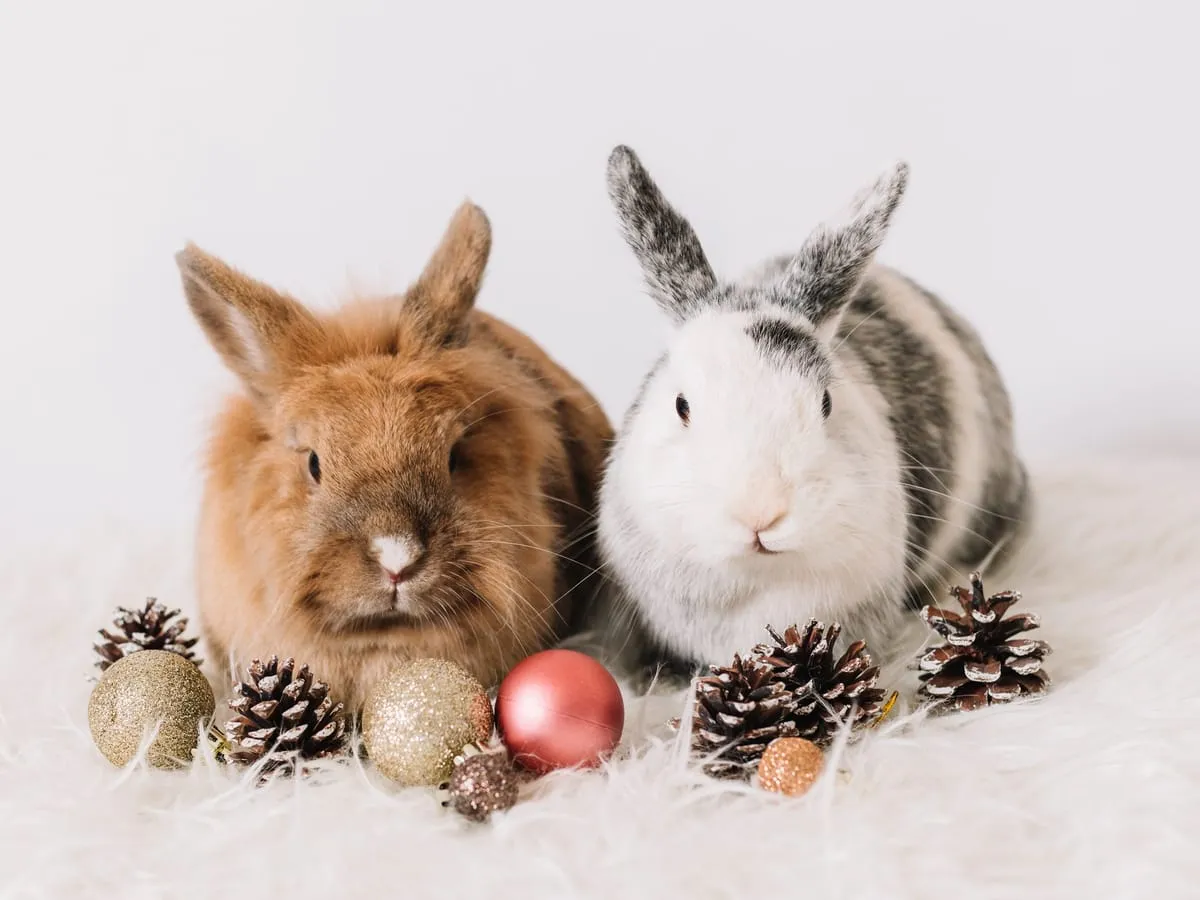
Rabbits and Guinea Pigs Outside in Winter: How to Winterproof the Outdoor Enclosure
The first hoarfrost is sparkling in the morning, and you’re wondering whether your rabbits get cold outside in winter and whether your guinea pigs can stay in the garden. The short answer: according to the German Animal Welfare Federation (Deutscher Tierschutzbund), healthy animals that got used to life outdoors early in the year and live in a group can stay outside all year round. What matters most is an insulated, dry shelter, water that doesn’t freeze, and food adapted to the season. By the way, neither species hibernates. Here’s how to get the outdoor enclosure ready for winter.
Can rabbits and guinea pigs stay outside in winter?
Yes, as long as the conditions are right. Keeping them outdoors all year round meets their needs as a species, but it’s demanding and a lot of work. No animal should ever live outside alone, because in a group they keep each other warm.
What rabbits need
In its information sheet on keeping rabbits outdoors all year round (in German), the Tierschutzbund recommends at least two rabbits, ideally three to five. The enclosure should be at least six square meters, firmly anchored and predator-proof, so that neither martens nor foxes can get in and nobody can escape. In its tips for rabbits in an outdoor enclosure (in German), the German pet trade association ZZF (Zentralverband Zoologischer Fachbetriebe) also advises vaccinating against myxomatosis and RHD, because your rabbits may come into contact with wild rabbits. You’ll find everything else rabbits need in our basics of rabbit care.
What guinea pigs need
According to the Tierschutzbund information sheet on keeping guinea pigs outdoors (PDF, in German), guinea pigs are best kept in a group of three to ten. For three to four animals, allow at least four square meters, plus half a square meter for each additional one. The mesh has to be fine. Short-haired breeds are the best choice for living outdoors. Keep in mind, too, that guinea pigs are more sensitive to cold than rabbits, because they don’t grow such a warm winter coat. Their shelter must therefore be completely frost-free and well insulated. For more on getting guinea pigs, take a look at our guinea pig checklist.
Which animals are better off indoors for the winter
Not every animal is cut out for a winter in the garden. For both species, the Tierschutzbund names young animals, mothers and sick animals. For rabbits, the ZZF adds:
- seniors from around five years of age
- pregnant animals
- animals with a weakened immune system
- long-haired breeds such as teddy rabbits, which are sensitive to wet and cold
You can find out how long rabbits and guinea pigs live on average in our article on the lifespan of pets. Keep a particularly close eye on older and underweight animals that have been living outside for a long time.
Moving them outside now? Why fall is too late
If your animals have been living indoors so far, wait until spring to move them outside. The Tierschutzbund recommends getting them used to the outdoors gradually in spring. They should only stay outside overnight once there’s no more ground frost, usually from mid-May. From September on, it’s too late. In that case, they’re better off staying indoors for another six months. The ZZF stresses the same for rabbits: don’t move them outside in the middle of winter, and once they live outdoors, they shouldn’t keep switching back and forth between a heated home and the garden.
© magnific.com
How to winterproof the outdoor enclosure: your checklist
Location and weather protection
Put the shelter in a corner protected from the wind. Part of the enclosure should be roofed so your animals can go outside and stay dry even when it rains or snows. In winter, you can also cover the sides where wind and rain usually come from. Moving around keeps them warm and fit, so your animals need access to their run at all times, even in winter. For ideas to keep them busy, check out our safe rabbit toys.
Insulate the shelter
The shelter has to be dry, draft-free, well insulated and predator-proof. The Tierschutzbund recommends wood at least 15 millimeters thick or a lining of polystyrene or another insulating material, plus a raised level and a slightly offset entrance. It should have room for all the animals but not be too big, so it doesn’t lose too much heat. For rabbits, the ZZF adds: the rabbits mustn’t be able to gnaw on the polystyrene, a double-layer floor or a design with no direct contact with the ground prevents waterlogging, and when it’s frosty, you can cover the entrances with cloths for a while. Air still needs to circulate, though, because condensation can lead to mold.
Bedding, hay and straw
Put down a thick layer of bedding in the shelter and add straw and hay for extra warmth. Newspaper works for insulation too. Everything has to stay dry: as soon as something gets wet, replace it. Bark mulch absorbs moisture and adds extra insulation. Ideally, set up a feeding spot inside the shelter as well, so nobody has to go out into the cold to eat.
Drinking water in winter: what to do when it freezes?
Water has to be available even when it’s freezing. The Tierschutzbund advises replacing frozen water regularly. For rabbits, the ZZF recommends checking the water several times a day when temperatures drop below zero. It’s best to avoid nipple drinkers with a metal tube in frosty weather, because a tongue can freeze to it. A bowl inside the insulated shelter freezes less quickly than a drinker out in the open.
Feeding in winter: energy, vitamin C and nothing frozen
Animals living outdoors need more energy in winter. So from fall onward, give your animals plenty of energy-rich food so they can build up fat reserves, along with lots of greens rich in vitamin C. This is especially important for guinea pigs, because they can’t produce vitamin C themselves. Hay should always be available. Only give fresh fruit and vegetables in amounts that get eaten right away, because frozen or very cold food can upset their stomach and gut.
For menu ideas, take a look at our rabbit food guide and our herbal ABC for guinea pigs. What doesn’t belong in the bowl is covered in our article what rabbits shouldn’t eat. And a feeding tree brings some variety to gray winter days.

Keep an eye on the temperature in the shelter
The expert sources don’t name a fixed outdoor temperature at which rabbits or guinea pigs have to come inside. The Tierschutzbund does give a guideline for inside the shelter, though: it shouldn’t get colder than 0 °C in there.
On very cold nights, the Tierschutzbund says a heat pad placed underneath can help. For guinea pigs, the Veterinary Association for Animal Welfare (Tierärztliche Vereinigung für Tierschutz, TVT) also mentions a heat source such as an infrared lamp if needed, in its fact sheet on keeping guinea pigs (PDF, in German). If you use one, keep enough distance and make sure your animals can always retreat to a spot without heat.
And what if it gets bitterly cold? Don’t bring healthy animals that are used to the outdoors into the warm house for a short while, not even overnight or to play. The Tierschutzbund advises against this for both species, because the sudden change in temperature is more stressful for them than the cold outside. The ZZF says the same for rabbits. It’s different with sick or weakened animals: they need to see the vet first. After that, the veterinary practice of Dr. Sommer (in German), for example, recommends a frost-free but unheated room for guinea pigs, such as a utility room or basement, ideally together with at least one companion. Animals that have spent a few days indoors in winter shouldn’t go back to the outdoor enclosure that winter. It’s best to talk this through with your vet.
Daily health check: when to see the vet
According to the ZZF, the respiratory and urinary tracts are particularly vulnerable in rabbits in winter. Use feeding time for a quick daily check: is everyone eating and drinking normally? Is their fur dry and clean? Is there any diarrhea or nasal discharge? Weigh your animals regularly in winter, because keeping track of their weight is a good health check.
If you notice nasal discharge, diarrhea, loss of appetite or wet, matted fur, please take your animal to the vet. An animal that isn’t eating at all is always an emergency.
Conclusion
With a little preparation, rabbits and guinea pigs can get through the winter in the garden just fine. Here’s your checklist to tick off:
- animals healthy, living in a group and used to the outdoors since spring
- rabbits vaccinated against myxomatosis and RHD
- shelter insulated, dry and draft-free, with air circulation
- thick layer of bedding with straw and hay, wet material out right away
- water checked several times a day, no nipple drinkers with a metal tube
- energy-rich food, greens rich in vitamin C, nothing frozen
- thermometer in the shelter, never below 0 °C in there
- a daily look at your animals, weigh them regularly
Frequently asked questions
At what sub-zero temperature do I need to bring rabbits or guinea pigs inside?
Neither the Tierschutzbund nor the ZZF names a fixed outdoor temperature. What matters is that it doesn’t get colder than 0 °C inside the shelter. Even when it’s freezing, don’t bring healthy animals that are used to the outdoors inside for a short while. Improve the insulation and bedding instead.
Do rabbits get cold outside in winter?
Rabbits cope better with cold and snow than with heat. In a group, they snuggle up together in the shelter and keep each other warm. The key is a dry, draft-free shelter.
Can I bring my animals inside for a little while when it’s freezing?
Better not with healthy animals, because switching between the cold and heated indoor air stresses them. If an animal is sick or weakened, take it to the vet and ask there where it should recover. For guinea pigs, the veterinary practice of Dr. Sommer, for example, then recommends a frost-free, unheated room.
Are nipple drinkers suitable in winter?
Not really when it’s freezing. The ZZF points out that a tongue can freeze to the metal tube. A bowl that you check several times a day is the better choice.
Does a heat mat in the shelter help?
The Tierschutzbund mentions a heat pad placed underneath as a help on very cold nights. Your animals should always be able to move to a spot without heat, though. Check the manufacturer’s information to see whether a particular product is suitable.
Do rabbits kept outdoors need to be vaccinated?
The ZZF recommends vaccinating against myxomatosis and RHD, because rabbits in the garden may come into contact with wild rabbits. Talk to your vet about when to vaccinate and when boosters are due.


