
10 New Year’s Resolutions for Animal Lovers: Make the New Year the Best Year for Your Pet
The New Year is a time for reflection and making resolutions. While we often think about our own goals and desires, we shouldn’t forget our loyal animal companions. Here are ten good resolutions for pet owners to start the new year healthy and happy with their furry friends.
10 New Year’s Resolutions for You and Your Pet
- Refresh First Aid Knowledge: Accidents happen quickly, and in an emergency, every second counts. A New Year’s resolution could be to attend a first aid course for animals or equip yourself with a first aid kit for pets. Have you already gained first aid knowledge in the past? It never hurts to refresh and keep your knowledge up to date.
- Regular Preventative Check-ups: We often postpone vet visits until a problem becomes apparent. Resolve to take regular preventative check-ups to proactively support your pet’s health.
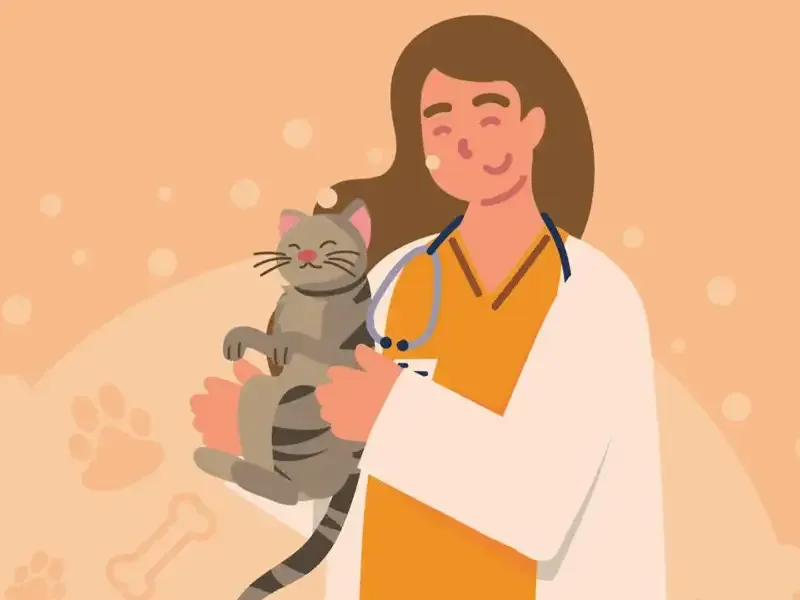
© Diana Johanna Velasquez – vecteezy.com
- Take Dental Hygiene Seriously: Dental problems can lead to serious health issues in pets. Schedule regular dental check-ups and establish a daily dental cleaning routine.
- Ensure a Balanced Diet: Review your pet’s diet and adjust it if necessary. High-quality food, balanced meals, and strict moderation with treats can significantly enhance their well-being.

© Diana Johanna Velasquez – vecteezy.com
- More Exercise and Play: Active pets are happy pets. A resolution could be to extend daily walks or schedule more playtime to promote your pet’s physical and mental health.
- Weight Management: Obesity is a common problem in pets and can lead to health issues. Make it a goal to regularly monitor your pet’s weight and adjust it if necessary.
- Optimize Grooming: Regular grooming (depending on the type of pet) keeps your pet’s coat healthy and reduces shedding and skin problems. Plan regular brushing sessions and, if needed, professional grooming appointments.
- Address Behavioral Issues: Resolve to work on any behavioral problems your pet may have. This could mean consulting a trainer or dedicating more time to training and education.
- Improve Home Safety: Often, we overlook certain hazards. Take a closer look and check your home for potential dangers to your pet, ensuring a safe environment.
- Spend Quality Time: Ultimately, it’s about strengthening the bond with your pet. Schedule daily quality time dedicated to your pet—whether through cuddling, playing, or simply relaxing together.

© Diana Johanna Velasquez – vecteezy.com
Conclusion
By implementing these resolutions for the New Year, you not only ensure your pet’s health and happiness but also strengthen the special bond you share. Here’s to a happy and healthy year with your loyal companions!
Frequently asked questions
Which New Year’s resolutions make the most sense for pet owners?
The best resolutions are the ones you can actually stick to: regular check-ups at the vet, a balanced diet with treats in moderation, more exercise and play, and quality time together. Rather than tackling all ten at once, pick two or three that suit you and your pet and build them into your routine.
How often should my pet have a check-up?
For many healthy dogs and cats, a yearly check-up is a good rule of thumb, while senior pets or animals with chronic conditions often need to be seen more often. The right interval depends on species, age and overall health, so ask your vet which schedule makes sense for your pet.
How can I tell if my pet is overweight?
A first sign is when you can barely feel the ribs or can no longer see a waist. Weigh your pet regularly and write the numbers down so you notice changes early. Whether your pet is really overweight, and how to help them slim down gently, is best discussed with your vet.
What should go in a pet first aid kit?
Typical items include bandages, a tick remover, tweezers, blunt-tipped scissors, a thermometer and a pet-safe disinfectant. Also add the phone numbers of your vet and the nearest emergency vet service. A kit doesn’t replace treatment, but it helps you respond sensibly until you can get your pet to the vet.


