
Why You Should Neuter Your Cat
Neutering cats is a crucial step towards promoting their health and taking responsibility for the growing cat population. This article sheds light on why neutering is so important for both your cat and society.
1.Reducing Stress in Female Cats
Female cats experience significant stress during their heat cycles, which occur several times a year. This can manifest as restlessness, loud calling, and even changes in behavior such as aggression or excessive affection. Neutering prevents these stressful periods, contributing to a more balanced and healthier life for the cat.
2. Reduced Tumor Risk in Female Cats
Studies show that unneutered female cats have a significantly higher risk of developing tumors, particularly in the mammary glands. Neutering greatly reduces this risk, thereby aiding in the prevention of serious health issues.
3. Behavioral Changes in Male Cats
Unneutered male cats tend to mark their territory with urine, which can cause problems in a domestic setting. This behavior is often difficult to eliminate even after later neutering. Additionally, unneutered male cats can be more aggressive towards other cats and have an increased risk of injuries from fights.
4. Controlling the Cat Population
© dimitrisvetsikas1969 – pixabay.com
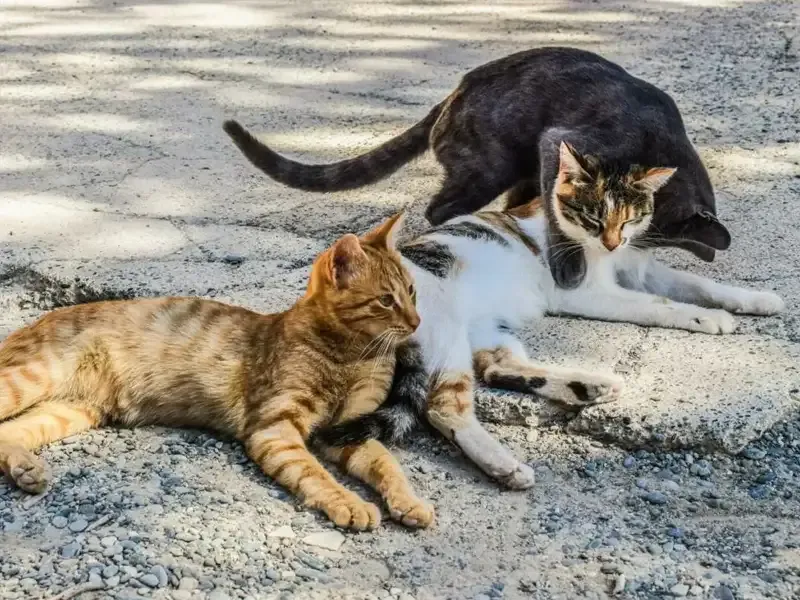
Unneutered cats contribute to rapid breeding, especially if they have outdoor access. A female cat can have multiple litters a year, leading to overpopulation. Many of these cats end up in shelters, fall victim to traffic, or suffer from diseases.
5. Overcrowding in Shelters
Shelters are often overcrowded with kittens waiting for a new home. Neutering helps reduce the number of unwanted kittens and lessens the burden on shelters.
6. Criticism of Breeding and Reproduction
Given the many cats already seeking homes, deliberate breeding or reproduction of domestic cats is subject to criticism. There is already a large number of cats waiting for adoption, making it more responsible to take in these animals rather than actively contributing to further breeding.
Conclusion
Neutering cats is an act of responsibility towards your pet and society. It contributes to your cat’s health, prevents unwanted pregnancies, and reduces animal suffering. It is important to be aware of this responsibility and take steps to promote the well-being of our pets and the overall cat population. By acting responsibly, we can improve the lives of many cats while also contributing to animal welfare.
Frequently asked questions
At what age should I get my cat neutered?
There’s no fixed age that applies to every cat. Neutering before the first heat is often recommended, but the right timing depends on your cat’s development, health and lifestyle, for example whether they go outdoors. It’s best to discuss the ideal time with your vet early on.
What are the health benefits of neutering my cat?
Female cats are spared the stress of repeated heat cycles, and their risk of mammary tumors drops significantly. Neutered male cats spray urine less often, are usually less aggressive toward other cats and therefore get injured less often in territorial fights. Your vet can explain the risks of the procedure itself.
Will my cat put on weight after being neutered?
After neutering, a cat’s energy needs often change, and many cats need less food. That doesn’t mean your cat has to gain weight, though. Adjust portion sizes, count treats as part of the daily ration and make sure there’s plenty of play and exercise. Weigh your cat regularly and ask your vet for advice if they gain noticeably.
Do I need to neuter an indoor cat?
Neutering usually makes sense for indoor-only cats too, because heat cycles are very stressful for cats and unneutered toms like to spray indoors. For outdoor cats, there’s also the risk of unwanted litters. Some towns and municipalities even require outdoor cats to be neutered.


