
Chester Zoo: Rare Malay Peacock-Pheasant Chicks Thrive After a Shaky Start
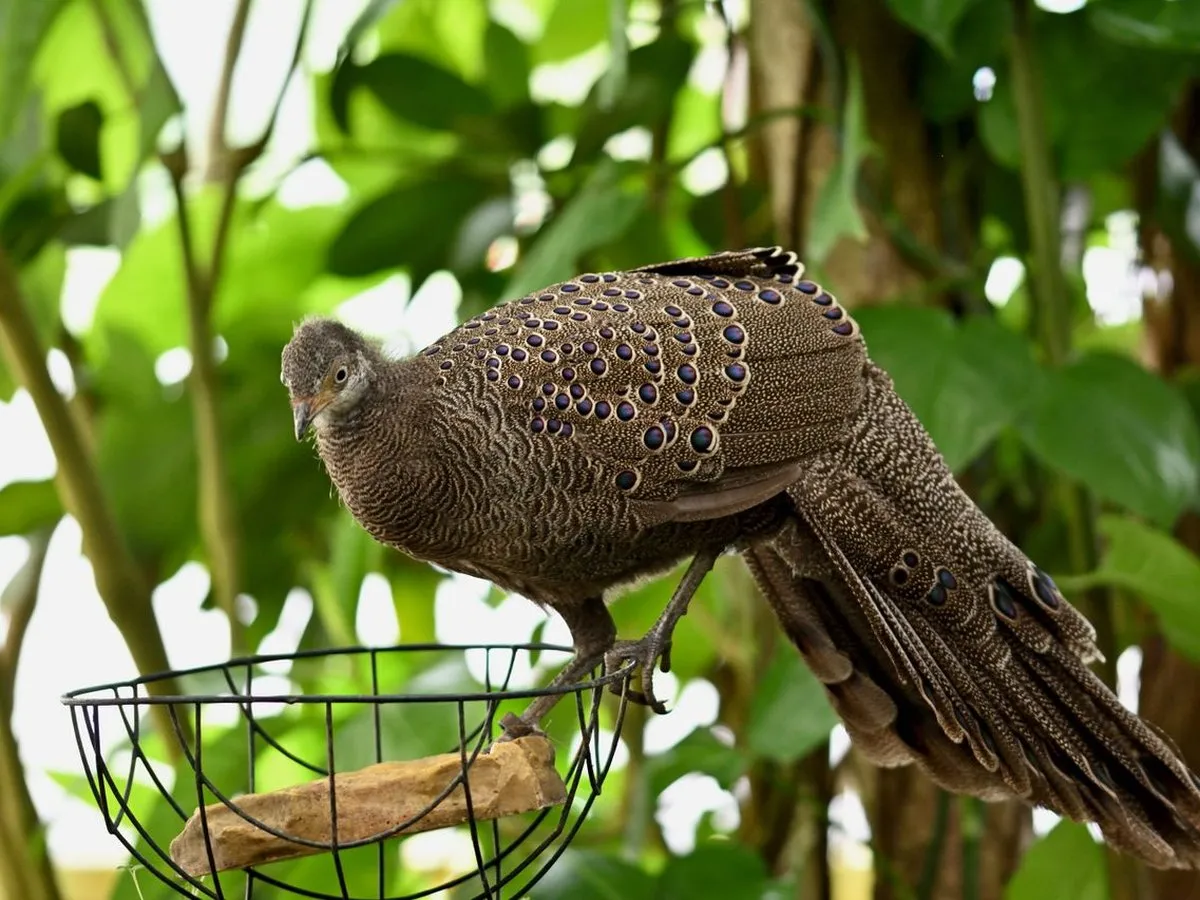
Two Malay peacock-pheasant chicks are doing well at Chester Zoo – the only ones of their endangered species known to have hatched in a European zoo this year. Both needed a helping hand from keepers to get there.
A foster mum for the first egg
According to Chester Zoo, the trouble began when the Malay peacock-pheasant mother did not sit on her first egg. Rather than hand-rear the chick, the bird team placed the egg with a broody bronze-tailed peacock-pheasant, a closely related species. The idea was simple: a chick raised by a bird, not by people, has a better chance of learning normal pheasant behaviour.
The plan worked. The foster mother incubated the egg, and the chick has grown into a healthy young male. This week he is moving into his own enclosure at the zoo.
A rubber glove as a hot-water bottle
Taking the first egg away also gave the Malay peacock-pheasant mother the chance to lay again – and this time she incubated the egg herself. Shortly after hatching, however, keepers found that she had left the nest too soon and her chick had become badly chilled.
Lead bird keeper Leanne Lowton improvised a tiny hot-water bottle from a rubber glove and gave the chick glucose syrup every hour through a day and a night. The next morning it went back to its mother, who accepted it straight away and has raised it ever since. Lowton told the zoo it was “quite an intense 24-hours”.
Why two chicks matter so much
The numbers explain the effort. The zoo cites figures from the European Association of Zoos and Aquaria (EAZA) showing just 15 Malay peacock-pheasants in Europe’s zoo population. In the wild, perhaps as few as 2,500 remain. The species is listed as Endangered on the IUCN Red List, mainly because its forest habitat is being cleared for plantations, which also leaves the remaining birds more exposed to hunting and trapping.
Malay peacock-pheasants are rarely kept in zoos, so both youngsters are valuable additions to a conservation breeding programme that aims to build up a healthy back-up population. Adult males are easy to recognise once they are grown: brown, finely speckled plumage dotted with shimmering blue eyespots.
The story is also a reminder of how much of a bird’s behaviour is learned. Not every first-time parent gets it right straight away, and sometimes the best help is the kind that gets a chick back to its own species as quickly as possible.
If you would like to help birds closer to home this winter, our guide to feeding garden birds in winter explains what to put out and how to keep feeders clean.
Source: Chester Zoo: „Rare birds thriving after zookeepers and a feathery foster parent stepped in to save them“, 11/12/2026


