
Proper Dental Care for Dogs: How to Prevent Dental Diseases
Unlike humans, dogs cannot clean their teeth by themselves. Therefore, as a dog owner, it’s your responsibility to maintain your furry friend’s oral hygiene. Regular teeth cleaning is an essential part of your dog’s dental care. Here you’ll learn everything you need to know about brushing your dog’s teeth.
Why is Brushing Your Dog’s Teeth Important?
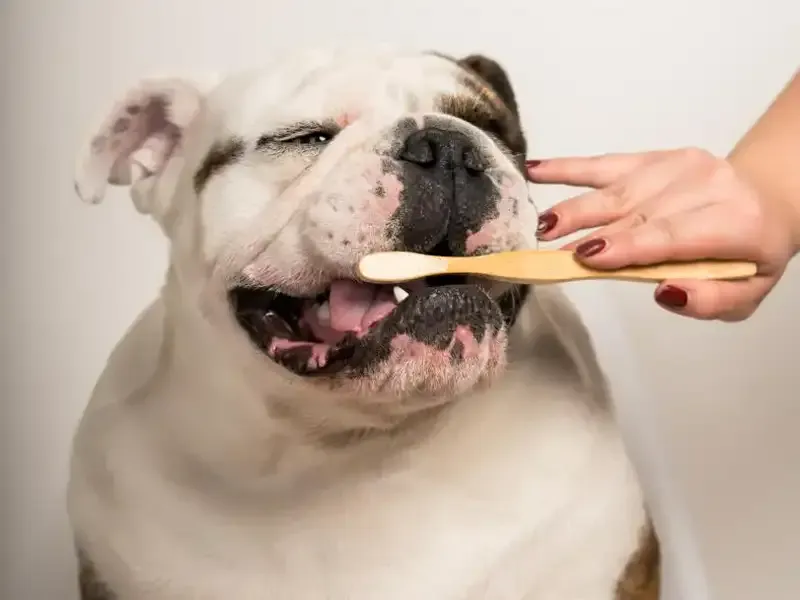
© DANIEL DE JESUS CORTEZ CARREON – vecteezy.com
Many dog owners wonder whether it’s really necessary to brush their dog’s teeth. The answer is a clear yes. Plaque can quickly develop into tartar when mixed with saliva. The consequences of tartar in dogs range from bad breath and gum inflammation to severe toothache, tooth loss, and even damage to organs like the liver and kidneys. Regular brushing is the most effective way to combat plaque and thus prevent tartar and periodontitis. Cavities, on the other hand, are relatively rare in dogs. To remove plaque, prevent tartar buildup, and maintain your dog’s long-term dental health, it’s important to brush their teeth regularly.
How Do I Brush My Dog’s Teeth?
- Acclimation: Let your dog first get used to the taste of the toothpaste and the feeling of the toothbrush in its mouth. You can put a little toothpaste on your finger and let them lick it off.
- Slow Start: Begin by gently massaging the gums and teeth with your finger. This gets your dog accustomed to being touched in the mouth area.
- Toothpaste: Use special dog toothpaste. It’s safe if swallowed and comes in flavors your dog might like. Toothpaste for humans is not suitable for dogs, as it contains ingredients that can be harmful to them.
- Toothbrush: Use a soft toothbrush or a finger brush. Gently lift your dog’s lips and carefully brush the teeth, especially along the gum line.
- Regular Brushing: Ideally, you should brush your dog’s teeth daily, but even two to three times a week can be effective.
Can I Use Coconut Oil or Other Home Remedies?

© moho01 – pixabay.com
Coconut oil is often recommended as a natural alternative to toothpaste. However, there is no evidence that it effectively reduces plaque in dogs, and it does not replace mechanical brushing. Avoid baking soda solutions: they are alkaline, many dogs dislike the taste, and they can upset the stomach if swallowed. It’s better to use a special dog toothpaste, ideally a product with the Veterinary Oral Health Council (VOHC) seal, whose effectiveness has been tested.
When and How Often Should I Brush My Dog’s Teeth?
It’s never too early to start dental care. It’s best to get your dog used to teeth brushing as a puppy. How often you should brush your dog’s teeth depends on various factors. Daily brushing is ideal, but even two to three times a week can make a big difference in your dog’s oral health.
Conclusion: An Essential Part of Dog Care
Dental care is an indispensable part of your dog’s health routine. With patience and regular maintenance, you can help ensure that your dog stays healthy and maintains a bright smile for life. Remember, dental care is just as important as a balanced diet and regular exercise for your dog’s overall well-being. By regularly brushing your dog’s teeth, you take care of their health and strengthen your bond.
Frequently asked questions
Do you need to brush a dog’s teeth?
Yes, because dogs can’t clean their own teeth. Plaque and saliva quickly turn into tartar, which can lead to bad breath, gum inflammation, pain and tooth loss and can also put a strain on the rest of the body. Regular brushing is the most effective way to remove plaque and prevent tartar.
How do I brush my dog’s teeth properly?
First let your dog lick a little dog toothpaste off your finger and gently massage their gums and teeth so they get used to being touched there. Then carefully lift their lips and brush with a soft toothbrush or finger brush, especially along the gum line. Be patient and take it one small step at a time.
Can I use human toothpaste or home remedies?
Human toothpaste isn’t suitable for dogs, as it can contain ingredients that are harmful to them. Use a special dog toothpaste instead, which is safe even if swallowed. Be careful with home remedies such as coconut oil or baking soda, and ask your vet beforehand what they recommend for your dog.
When should I start brushing my dog’s teeth and how often?
Ideally, get your dog used to tooth brushing while they’re still a puppy. Daily brushing is ideal, but even two to three times a week can make a big difference. If tartar has already built up or your dog has strong bad breath, have their teeth checked by a vet.


