
Arthritis in Dogs: What Helps Dogs with Joint Problems in Winter?
Translated from our German original. Any rules and regulations mentioned refer to Germany and may differ where you live.
Is your dog getting up more slowly in the morning than before, hesitating at the stairs or falling behind more often on walks? Many people put this down to normal ageing. But it can be a sign of osteoarthritis, a common chronic joint disease in dogs. Especially in the cold season, some owners notice that their dog seems stiffer. Here you can find out how to recognise osteoarthritis, what you can do in everyday winter life and when you should see your vet.
What osteoarthritis in dogs is and how to recognise it
Osteoarthritis is a chronic disease of the whole joint. Among other things, the cartilage is damaged and painful inflammatory processes can occur. So it is not simply normal age-related stiffness, even though it is common in older dogs. The American College of Veterinary Surgeons (ACVS) describes osteoarthritis as inflammation and progressive breakdown of the components of the joint. It cannot be cured, but suitable treatment can relieve pain and support mobility and quality of life.
Possible signs include:
- difficulty or slowness getting up after lying down
- a stiff gait or limping
- less interest in exercise, shorter walks, falling behind on walks
- reluctance to jump into the car or onto the sofa, or to use stairs
Such changes can point to pain, but they can also have other causes, such as an injury. A list like this is therefore no substitute for a diagnosis. At the vet, your observations, your dog’s posture, gait and behaviour, an orthopaedic examination and, if needed, X-rays are assessed together. An X-ray alone does not reliably show how much pain your dog is in, as the AAHA stresses in its pain management guidelines. Short phone videos of your dog getting up or walking can therefore be helpful at the appointment.
What cold and wet weather mean for everyday life
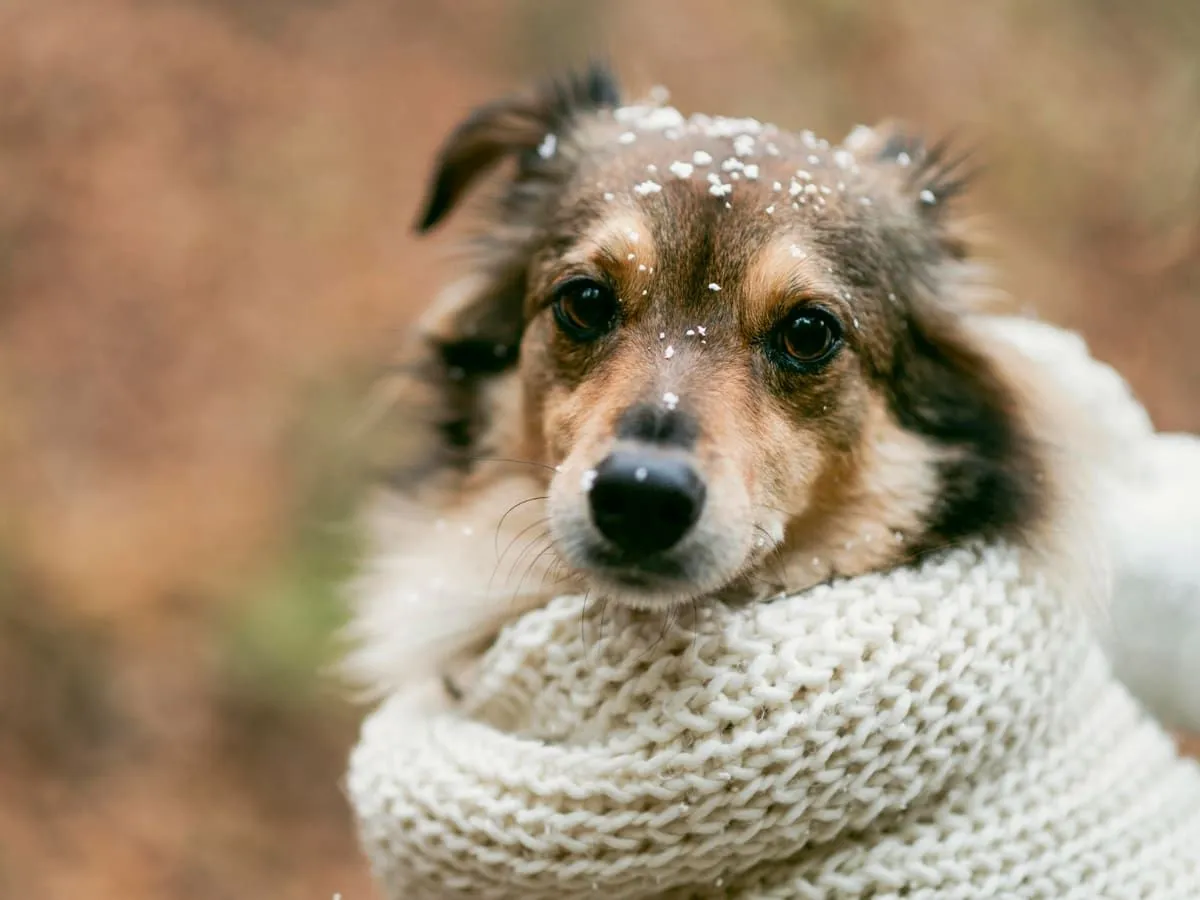
In some dogs, stiffness and discomfort are more noticeable in winter. In a winter guide for senior pets, the American Animal Hospital Association writes that cold weather can exacerbate age-related conditions such as arthritis. However, cold is not considered a proven cause of osteoarthritis, and how strongly the weather affects symptoms cannot be said for certain. The sources cited here do not establish whether wet conditions worsen osteoarthritis symptoms independently of cold and changes in activity.
What you can still do: dry your dog after wet walks and offer him a dry, draught-free resting place. This can make everyday life more comfortable, but it is not a treatment for osteoarthritis. And if your dog gets up with more difficulty or limps more in winter, don’t simply blame the weather; have it checked.
Exercise in winter: short, regular and gentle on the joints
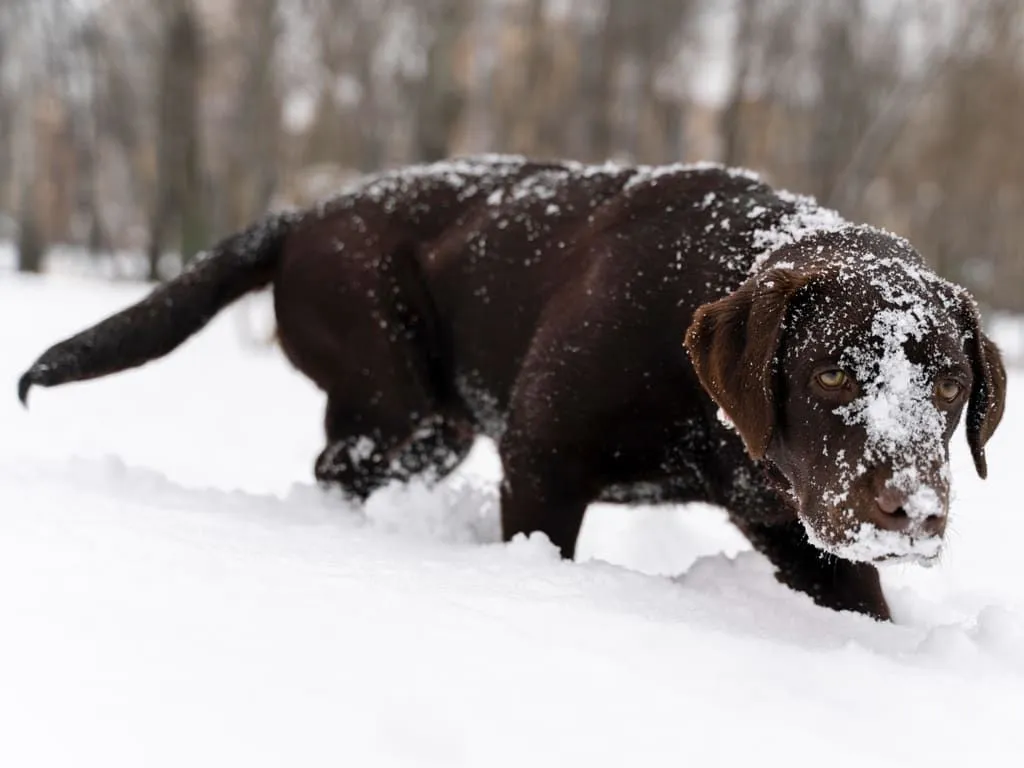
Exercise remains important with osteoarthritis. According to the ACVS, consistent, low-impact exercise helps build the muscles around the joints. However, clinical study evidence on individual forms of exercise is sparse, as the AAHA guidelines acknowledge. There is therefore no one-size-fits-all recipe, only points of orientation:
- Regular, controlled walks usually make more sense than rare, strenuous outings.
- Duration and intensity depend on your dog’s diagnosis and how he is feeling that day. Agree on them with your vet.
- Avoid wild jumps, abrupt stops and quick changes of direction.
- Don’t force your dog to keep going if he slows down or stops.
- Smooth, icy paths are risky. Choose safe ground with good grip wherever possible.
When the weather is unpleasant, calm search and sniffing games indoors can complement your walks. Whether physiotherapy or joint-friendly swimming might also be an option for your dog is something to discuss with your vet. Important: a new limp is not a training matter; it needs to be checked by a vet first.

Weight, resting place and everyday aids
Being overweight has been linked to the worsening of osteoarthritis (ACVS). If your dog weighs too much, a feeding plan supervised by your vet can help take strain off the joints. The goal is a suitable body weight while preserving as much muscle as possible, not a crash diet. In winter, with shorter walks and more treats over the holidays, it is particularly worth keeping an eye on the daily ration.
You can also make everyday life easier for your dog at home:
- A dry, well-padded, draught-free resting place, not on cold tiles.
- Non-slip access to the resting place and non-slip runners on smooth floors.
- Ramps or steps for the car or sofa, which the AAHA also mentions as an everyday aid.
- Extra warmth only with suitable pet products that do not overheat, and under supervision. Warmth can feel pleasant, but it is no substitute for pain treatment.
Many joint supplements are advertised with big promises. According to the AAHA guidelines, the scientific evidence is weak for most supplements. Neither warmth nor exercise nor supplements can cure osteoarthritis. Whether any of them makes sense for your dog is something to discuss with your vet.
When to see your vet
If your dog is limping or seems stiff, contact your vet, advises the veterinary charity PDSA. This applies especially to a new or worsening limp: it is not automatically an osteoarthritis flare-up, even in winter. Also get in touch if you feel the current treatment is no longer enough.
Contact your vet or the emergency vet service immediately if your dog
- is in severe pain,
- cannot put a leg down or bear any weight on it,
- has a serious wound,
- can no longer get up or walk on his own, or is limping after a fall or accident.
When it comes to painkillers: don’t give your dog anything from your own medicine cabinet or leftovers prescribed for another animal. Anti-inflammatory painkillers must not be combined with each other or with cortisone on your own initiative, as the US FDA points out. Choosing and monitoring pain treatment belongs in your vet’s hands.
Conclusion
Osteoarthritis cannot be cured, but you can do a lot to help your dog get through the winter well: regular, gentle exercise agreed with your vet, a suitable body weight and a dry, non-slip everyday environment. Watch for changes in the cold season and have them checked early.
Frequently asked questions about osteoarthritis in dogs in winter
Can osteoarthritis in dogs be cured?
Osteoarthritis cannot be cured. Individually tailored treatment can, however, relieve pain and support mobility and quality of life.
Do cold and wet weather cause osteoarthritis?
Cold is not considered a proven cause of osteoarthritis. Some dogs show more noticeable symptoms in winter; the sources cited here do not establish an independent effect of wet conditions.
Can a dog with osteoarthritis go for walks in winter?
Regular, controlled, low-impact exercise is usually helpful. Agree on duration and intensity with your vet and do not force your dog to keep walking; a new limp needs to be checked first.
Can I give my dog painkillers from my own medicine cabinet?
Do not give your dog painkillers from your own medicine cabinet or leftover medication prescribed for another animal on your own initiative. Do not combine anti-inflammatory painkillers with each other or with cortisone yourself; your vet should select and monitor treatment.


