
Hamster Ball on Review: The Pros and Cons
Hamsters are curious, active animals that love to explore their surroundings. Some owners offer their little companions a hamster ball as an entertainment option. But is this really a good idea? In this article, we take a closer look at the advantages and disadvantages of hamster balls and provide tips for safe use.
Advantages of Hamster Balls
- Freedom and Discovery: A hamster ball allows your tiny rodent to explore the environment outside its cage in a protected manner. This can be an exciting change of pace for the animal.
- Physical Activity: In captivity, hamsters sometimes tend to become overweight. A ball can offer additional opportunities for exercise and help keep the animal fit.
- Safety: Compared to a hamster running freely, the ball provides a certain safety against falls or bites from other pets.
Disadvantages of Hamster Balls
- Risk of Injury: The ventilation slots in the ball can become a hazard. There’s a risk that the hamster’s tiny legs might get caught and injured.
- Disorientation and Stress: In a transparent ball, the hamster might feel disoriented and confined. Constantly bouncing off walls or obstacles can induce stress.
- Unnatural Movement: In the wild, hamsters dig and climb. A ball only allows for rolling on smooth surfaces, which is an unnatural movement for the animal.
- Overheating: In a closed plastic ball, heat can accumulate, potentially leading to the hamster overheating. This is especially dangerous in warm rooms or with prolonged use.
Tips for Safe Use of Hamster Balls
- Only use the ball under supervision and in a safe environment without stairs or other dangers.
- Limit usage to short durations (10-15 minutes) to avoid overheating and fatigue.Ensure the ball is large enough for your hamster, allowing it to move comfortably.
- Ensure the ball is large enough for your hamster, allowing it to move comfortably.
- Check that the ball doesn’t have sharp edges or damaged parts that could harm your hamster.
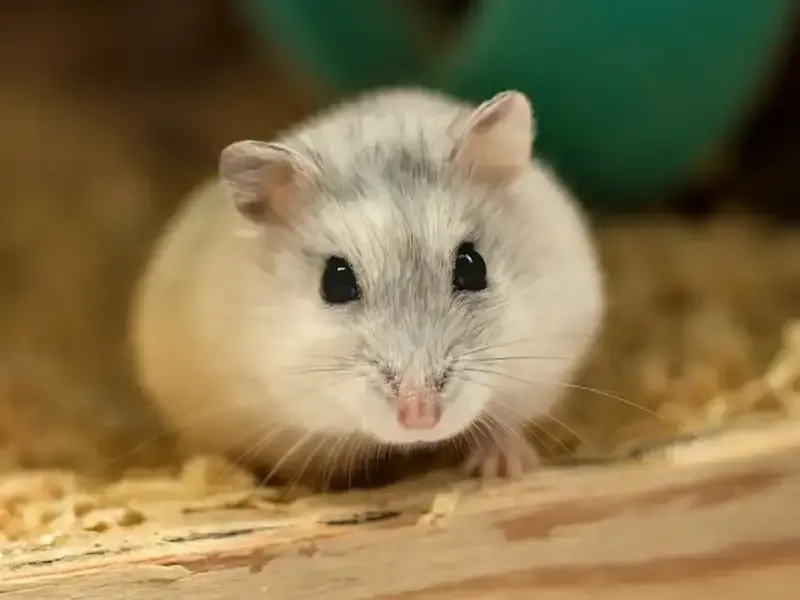
© 9418974 – pixabay.com
Conclusion
While hamster balls present an interesting opportunity to provide your rodent with more activity and variety, they should be used with caution and knowledge of potential risks. Consider carefully if a hamster ball is right for your pet and consult with experts or veterinarians for their opinion. The safety and well-being of your hamster should always come first.
Frequently asked questions
Is a hamster ball good for my hamster?
A hamster ball offers variety and exercise outside the cage, but it comes with clear risks. These include injuries from the ventilation slots, stress from disorientation and constantly bumping into things, and overheating in the closed plastic ball. Your hamster also can’t dig or climb inside it, which would match their natural behavior.
How long can my hamster stay in the ball?
Limit use to short periods of about 10 to 15 minutes so your hamster doesn’t overheat or become exhausted. Stay with them the whole time and only let them roll in a safe room with no stairs, steps or other hazards. In warm rooms, it’s best to skip the ball altogether.
What should I look for when buying a hamster ball?
The ball must be big enough for your hamster to move comfortably without arching their back. Look for narrow ventilation slots that little legs can’t get caught in, and check it regularly for sharp edges or damage. A damaged ball should be thrown out immediately.
What should I do if my hamster seems exhausted or injured after using the ball?
Put them back in their familiar enclosure in a quiet spot that isn’t too warm and offer fresh water. If they’re breathing heavily, seem lethargic, limp or don’t recover quickly, please have them checked promptly by a vet who is experienced with small mammals.


