
Why Pets Make Us Healthier and Happier: The Positive Impact of Furry Friends
Pets are more than just companions – they enrich our lives in many ways. Studies suggest that having a pet can not only boost our emotional well-being but also bring health benefits. In this article, we take a look at why pets can make us healthier and happier.
Emotional Comfort and Stress Reduction
Pets provide a unique emotional comfort. Petting, playing with an animal, or simply its presence can help reduce stress and anxiety. Touching an animal triggers the release of oxytocin, the so-called “love hormone,” which promotes a sense of calm and well-being. Some studies suggest that people with pets feel less stressed and are less prone to depressive moods, although the findings are not consistent.
Promoting Physical Health

© RobGlenister – pixabay.com
Pets, especially dogs, encourage their owners to be more physically active. Regular walks with a dog contribute to an active lifestyle and can reduce the risk of cardiovascular diseases. Interaction with pets can also lead to lower blood pressure and a reduced heart rate.
Social Connections and Sociability
Pets are wonderful icebreakers and can help strengthen our social connections. They give us common ground with others and make it easier to strike up a conversation with new people. For many of us, pets are also a constant source of companionship – they ease loneliness and foster a sense of belonging and acceptance.
Structure and Routine
Pets bring structure and routine to daily life. The responsibility of caring for an animal – feeding, walking, playing – requires discipline and can help structure the day. This routine can be particularly beneficial for older people or those with mental health issues.
Sense of Purpose and Self-Esteem
© Sunyawut Suriya – vecteezy.com
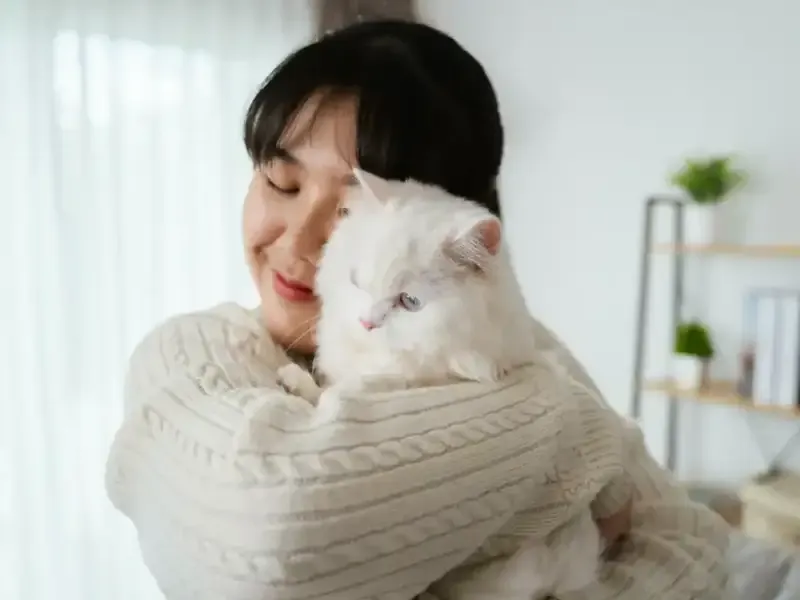
Taking responsibility for a pet can boost self-esteem and provide a sense of purpose. Especially in difficult life phases, pets can be a source of joy and comfort.
Positive Impact on Children
© Pexels – pixabay.com
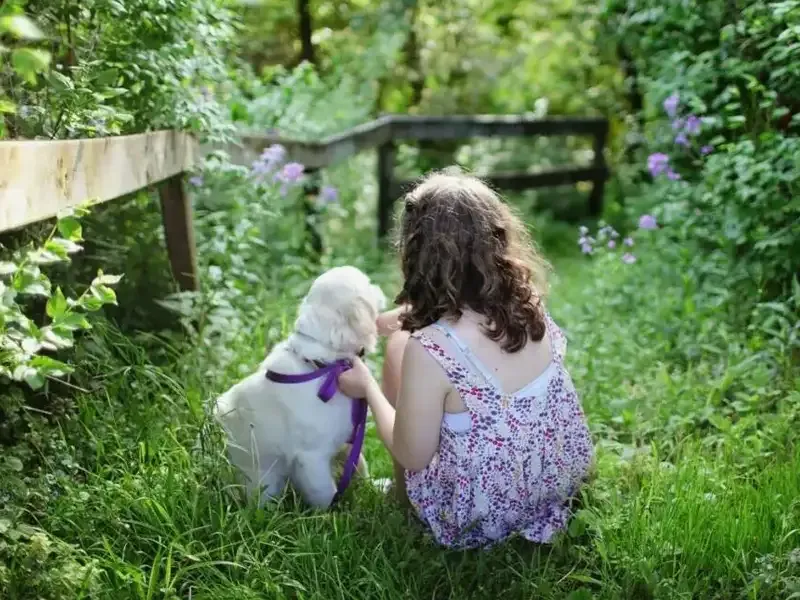
Children who grow up with pets benefit in many ways. They learn responsibility, compassion, and empathy. Moreover, bonding with a pet can help children build self-confidence and develop social skills.
Therapeutic Effects
Pets are increasingly used in therapeutic contexts, such as animal-assisted therapy. They help people with a variety of conditions, from mental disorders to developmental disorders, and assist in rehabilitation and stress reduction.
Conclusion
The relationship with a pet is a source of happiness and health. They offer us unconditional love, comfort, and joy, and contribute in many ways to a more fulfilling and healthier life. It’s important to remember that caring for a pet is also a commitment, but the benefits they bring into our lives are priceless.
Frequently asked questions
Why do pets make us happy?
Pets offer closeness, comfort and joy, especially during difficult times in life. Stroking an animal stimulates the release of oxytocin, which promotes calm and well-being. Taking responsibility for an animal can also boost your self-esteem and give everyday life a sense of purpose.
Are pet owners healthier?
Pets can have a positive effect on your health, but they aren’t a cure. Dogs in particular get you moving more, and regular walks can lower the risk of cardiovascular disease. Contact with animals can also help reduce stress, lower blood pressure and calm your heart rate.
Can pets help with loneliness?
Yes, for many people pets are important companions who ease loneliness. They also act as icebreakers, for example on dog walks, and make it easier to connect with other people. Fixed routines such as feeding and playing give the day structure, which can be especially good for older people.
Why are pets good for children?
Children who grow up with pets learn responsibility, compassion and empathy. Bonding with an animal can also boost their self-confidence and help them develop social skills. It’s important that adults always keep the main responsibility for care and make sure children and animals treat each other with respect.


