

Unconventional Companions: Exploring Pets Beyond the Mainstream
Translated from our German original. Any rules and regulations mentioned refer to Germany and may differ where you live.
Pets enrich our lives, providing companionship and joy. While many people opt for classic pets like dogs and cats, there’s a growing number of animal enthusiasts who long for a more unusual companion. Unique pets can offer a distinct experience and bring new challenges. Let’s delve into some of these extraordinary animal friends and what it means to care for them.
Mini Pigs
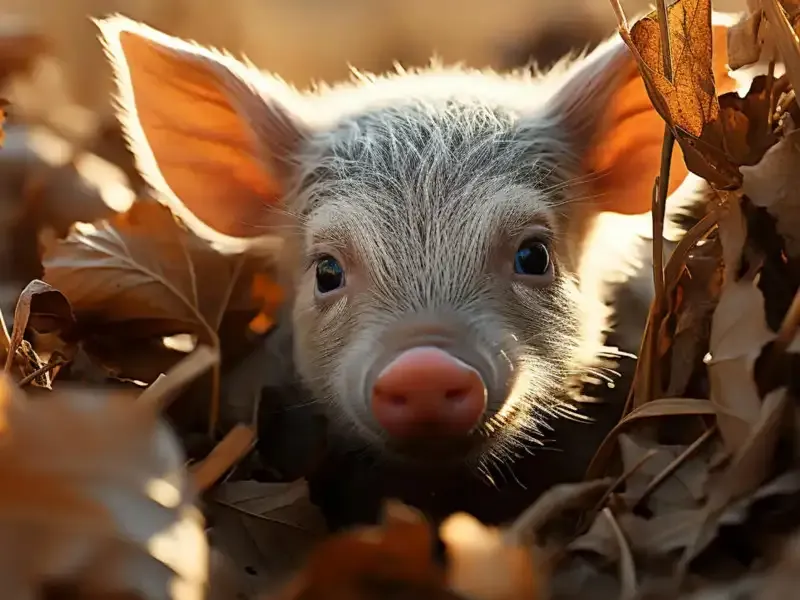
Known for their intelligence and amiable nature, mini pigs, also referred to as teacup pigs, can be trained to perform tricks and even to be housebroken. However, they require a special habitat and diet to stay healthy. Prospective owners should also be aware that “mini” doesn’t always mean these pigs stay small – many grow to a considerable size.
Ferrets
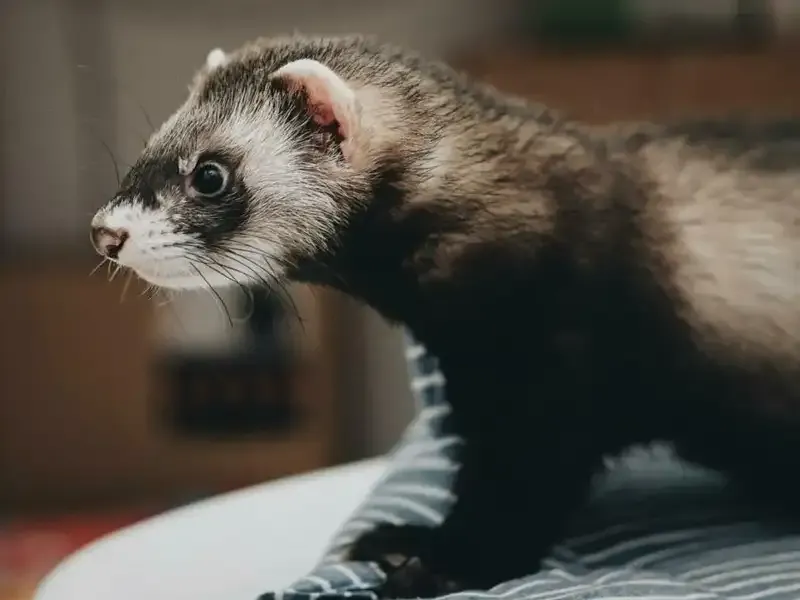
These lively and inquisitive little predators are known for their playful spirit and active nature. Ferrets can be kept in apartments but need ample time outside their cage to play and explore. They also require special feeding and regular grooming to minimize their scent.
Exotic Birds
Parrots and other exotic birds can be impressive pets, with their ability to speak and interact. However, they need a lot of attention, mental stimulation, and a sufficiently large cage. Their longevity also means they are a long-term commitment.
Reptiles
From snakes to iguanas to bearded dragons, reptiles are fascinating pets. They do require special habitats with controlled temperatures and humidity levels. Their dietary needs can also be complex, and handling them may require special knowledge.
Ant Farms
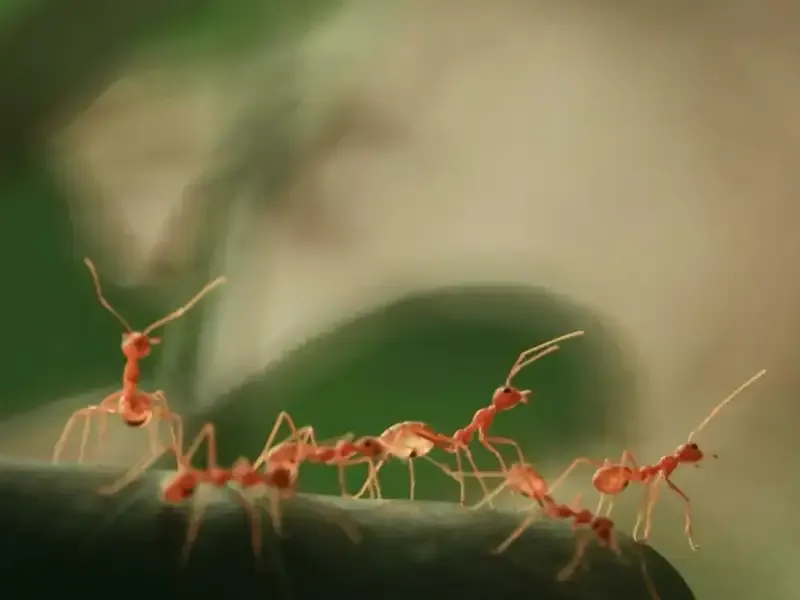
For those who prefer less cuddly companions, ant farms can be a captivating hobby. They offer insight into the complex social behavior of these insects and require relatively little maintenance, but a lot of patience and precision in setting up and maintaining the farm.
Skunks
These scent wonders on four legs are becoming increasingly popular as pets in some countries. In their domesticated form, they are known for their playful and affectionate nature. They can even be trained to use a litter box like cats. Skunks kept as pets typically have their scent glands removed, which are responsible for their characteristic defense odor, a process that is controversial in some areas and not legal everywhere. Anyone considering a skunk as a pet must be clear about the legal regulations and find a veterinarian who is familiar with the special care these unusual animals need.
Porcupines
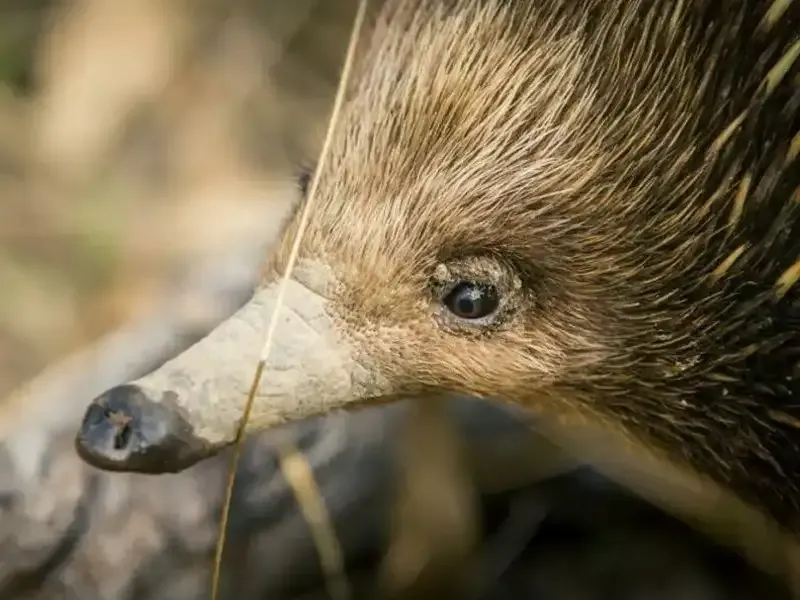
Gaining popularity in some parts of the world as pets are porcupines. These prickly fellows are known for their unique defense strategy and can be surprisingly tame and interactive in captivity. However, caring for porcupines is not to be underestimated, as they have specific requirements for their habitat and diet. Porcupines need ample space to explore and a diet rich in plant materials. Caring for them requires a good understanding of their behaviors and needs, as well as special precautions due to their quills.
Things to Consider
Unconventional pets are not suitable for everyone. Many require specialized care, a specific environment, and a diet that differs from that of traditional pets. Potential owners must be willing to invest time and resources to ensure the well-being of their unusual companion. It is also important to be aware of local laws and regulations, as some exotic animals may not be legally kept or may require special permits.
Conclusion
Owning an unconventional pet can be an incredibly rewarding experience that opens up a whole new world of animal care. It can challenge you to learn and grow as you care for a truly unique creature. However, if you decide to welcome an unconventional pet into your life, it is crucial to do so with full commitment and a sense of responsibility to ensure that your new friend can lead a happy and healthy life.
Frequently asked questions
What unusual pets are there?
Besides dogs and cats, some people keep mini pigs, ferrets, parrots and other exotic birds, or reptiles such as bearded dragons, iguanas and snakes. Ant farms can also be a fascinating hobby. In some countries, people even keep skunks or porcupines, although they have very special requirements.
Do mini pigs really stay small?
Not necessarily. The “mini” in the name doesn’t mean the animals stay small, and many grow to a considerable size. Mini pigs are intelligent, quick to learn and can even be house-trained, but they need suitable living space and a special diet to stay healthy.
What should I consider before getting an exotic pet?
Many exotic animals need specialized care, a particular environment with the right temperature and humidity, and their own diet. Also check local laws, as some species can’t be kept at all or only with a permit. Parrots also live a very long time and are a long-term commitment.
Can I find a vet for an exotic pet?
Not every vet is familiar with exotic animals such as reptiles, skunks or porcupines. That’s why you should look for a practice near you with experience of the species before you get one. That way, your pet will get the right help quickly if they fall ill.


