

Low-Maintenance Pets: The Perfect Choice for a Relaxed Everyday Life
Translated from our German original. Any rules and regulations mentioned refer to Germany and may differ where you live.
Life can be hectic and full of responsibilities, and not everyone has the time and energy to take care of a high-maintenance pet. In such cases, low-maintenance pets are an excellent choice. These animals provide companionship and joy without requiring excessive care and attention. In this article, we will introduce some of the best low-maintenance pets that are ideal for people with a busy lifestyle or little experience in pet care.
Goldfish – Beauty That Needs Space
Goldfish are fascinating pets, but they are more demanding than many people think. They can live up to 25 years and grow quite large, so they need a large aquarium or garden pond with a filter and good water quality – a small goldfish bowl is unsuitable. With regular feeding, partial water changes, and filter maintenance, you can enjoy the beauty and grace of these wonderful creatures for a long time.
Cats – Independent Companions with Personality
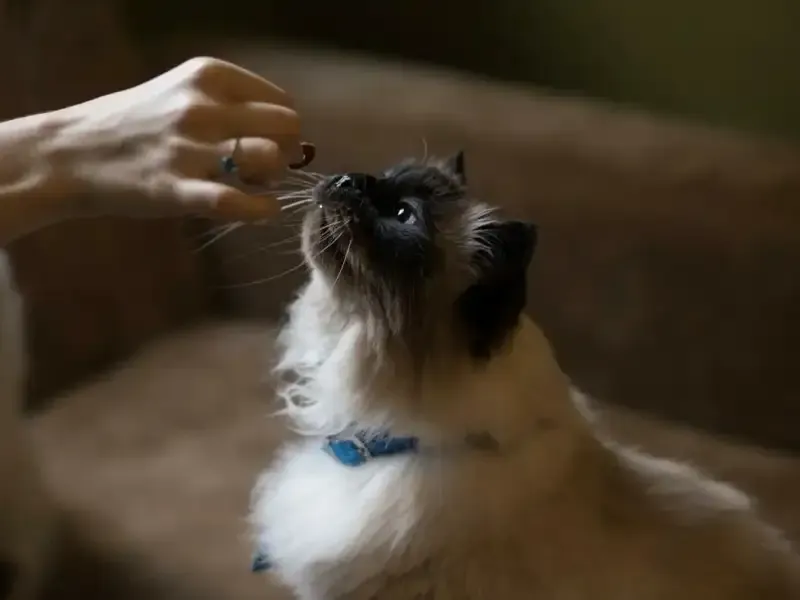
Cats are popular pets known for their independence and charm. They are clean, self-reliant, and require less attention compared to dogs, for example. With regular feeding, litter box maintenance, and some playtime, you can build a loving and relaxed relationship with your cat.
Rabbits – Gentle Hoppers That Need Space
Rabbits are adorable pets, but they are not cuddly toys and are less low-maintenance than often assumed. They must be kept at least in pairs and need an enclosure of at least 6 square meters (about 65 square feet) – a cage alone is too small. On top of that, they need fresh water, hay, and leafy greens every day, as well as things to do. If you give them enough space and time, you can enjoy the calm and curious nature of these little hoppers.
Tortoises – Tranquil Residents for Decades
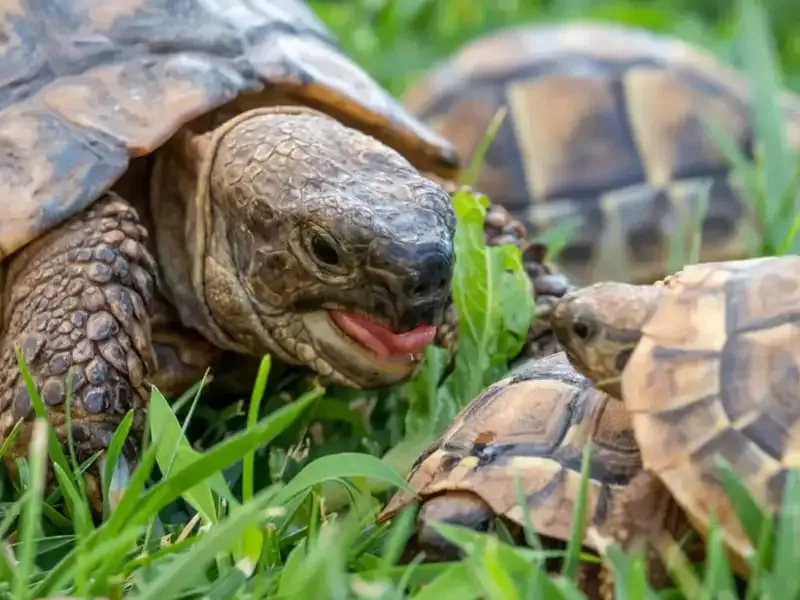
Tortoises are fascinating reptiles that bring a calming atmosphere to your home. However, they are not low-maintenance: tortoises such as the Hermann’s tortoise need a large, sunny outdoor enclosure with a cold frame or greenhouse, additional heat and UV light if kept in a terrarium, a species-appropriate diet, and a well-prepared hibernation. As they can live up to 80 years, you take on a responsibility that lasts for decades.
Conclusion
The decision to adopt a pet should be carefully considered, taking into account individual lifestyle and needs. Low-maintenance pets can bring joy and companionship into your life, but low-maintenance doesn’t mean no maintenance: every animal has needs that you should know and meet. From goldfish to cats, rabbits, and tortoises, there is a variety of options that suit different lifestyles. Whichever pet you choose, if you do your research beforehand, you will experience the joy and tranquility it brings.
Frequently asked questions
Which pets are low-maintenance?
Cats, rabbits, goldfish and tortoises are considered relatively low-maintenance, because they need less time and attention than a dog, for example. Cats are clean and independent, while rabbits are calm and family-friendly. Which animal suits you best depends on your daily routine, your space and your experience, though.
Does low-maintenance mean a pet is hardly any work?
No, low-maintenance doesn’t mean no maintenance. Goldfish still need a large enough tank with good water quality, tortoises a suitable enclosure with a heat source, and cats a clean litter box and playtime. Also plan regular check-ups at the vet and bear in mind that some animals live for a very long time.
Which pet suits people who are short on time?
Cats are often a good choice, because they’re independent and need less care than dogs. With regular feeding, a clean litter box and daily playtime, a cat is usually happy. Before you get one, be honest with yourself about how much time you really have each day and who will look after your pet when you’re away.
What do rabbits need as low-maintenance family pets?
Rabbits need an enclosure of at least 6 square meters, fresh water, hay and leafy greens, as well as things to do. As social animals, they should never live alone but at least in pairs. With patience, they’ll show their calm and curious nature over time, but they aren’t cuddly toys.


