
Aquarium Design: How to Create the Ideal Underwater World for Your Fish
An aquarium is not just a container for water and fish, but it can also be a masterful work of art that brings life, beauty, and nature into your home. Designing an aquarium, also known as aquascaping, is an art form that uses natural materials to create breathtaking underwater landscapes. Here are some tips and tricks to create the ideal underwater world for your fish.
1. Plan Ahead
Before you even start, sit down and sketch out what you imagine your ideal aquarium to look like. Consider which fish and plants you’d like to have and how they relate to one another. This will help you have a clear plan for the design and setup.

© KOBU Agency – unsplash.com
2. Choose the Right Substrate
The substrate plays a crucial role in your aquarium. Depending on the fish and plants you choose, you can opt for sand, gravel, or specialized aquarium substrates. Some plants require nutrient-rich soils, while some fish prefer sand they can dig in.
3. Use Natural Decorations
Rocks, roots, and driftwood can set wonderful natural accents. They not only create visual interest but also provide hiding spots and playgrounds for your fish. Ensure that the materials are safe for the aquarium and do not release any harmful substances into the water.
4. Plant Selection
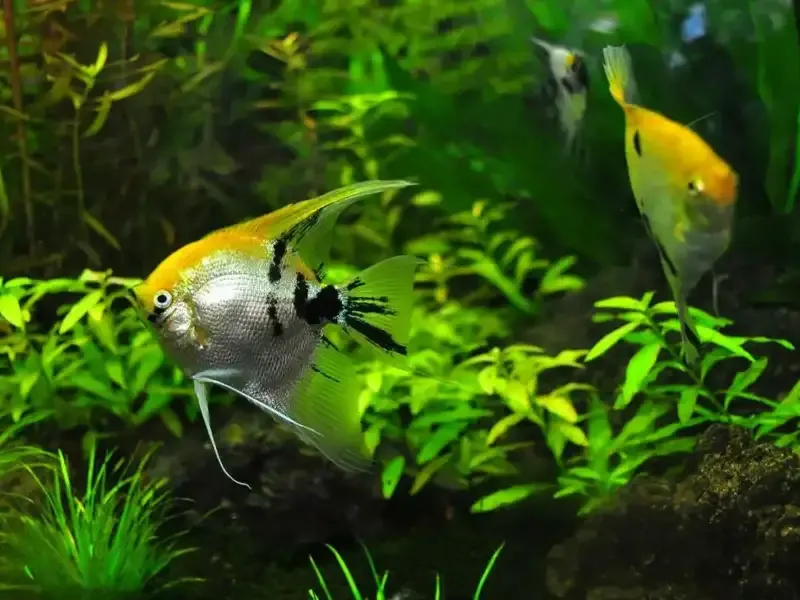
Plants are the backbone of any natural aquarium. They provide oxygen, food, and shelter for the fish and help to purify the water. Choose plants that suit the conditions and inhabitants of your aquarium. Some plants can even serve as a natural food source for specific fish species.
© cuncon – pixabay.com
5. Consider the Needs of Your Fish
Each species of fish has specific needs in terms of space, hiding places, and environment. Some fish love to linger in caves or behind rocks, while others prefer open swimming areas. The design of your aquarium should always cater to the needs of your fish.
6. Keep It Simple and Natural
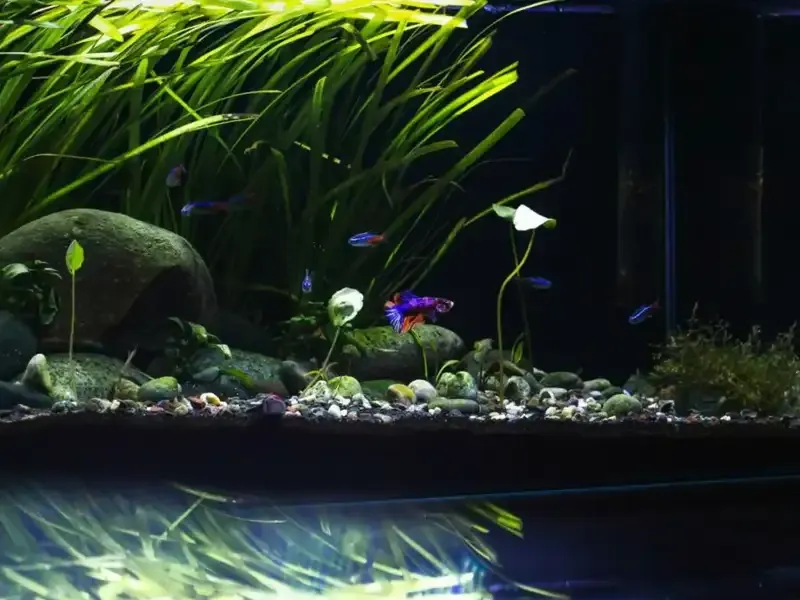
The best aquarium design mimics the natural environment of the fish. Try to avoid excessive frills and focus on the essentials. A minimalist approach can often lead to the most impressive results.
© Christian Ang – unsplash.com
Conclusion
Designing an aquarium is a creative journey that requires patience, research, and an eye for detail. By considering the needs of your fish and using natural materials, you can create an underwater world that is not only aesthetically pleasing but also functional and healthy for your aquatic inhabitants. So, dive into the world of aquascaping and transform your aquarium into a living work of art!
Frequently asked questions
How do I set up an aquarium with a natural look?
Start by planning which fish and plants work well together and sketch out the layout. Then choose a suitable substrate and arrange rocks, roots and plants so there are both hiding places and open swimming space. Take your cue from your fish’s natural habitat and skip unnecessary clutter.
Sand or gravel: which substrate is better?
It depends on your fish and plants. Fish that like to dig usually feel more at home on sand, while many plants benefit from a nutrient-rich aquarium substrate. Gravel is a sturdy alternative. Before you buy, find out what your particular fish species and plants actually need.
Can I put rocks and driftwood from outdoors in my aquarium?
Natural decorations look great, but they must be aquarium-safe and must not release harmful substances into the water. Some rocks can change the water parameters, for example, and found items may bring in dirt or germs. If you’re unsure, it’s safer to use materials from a specialist shop.
Why are plants so important in an aquarium?
Plants provide oxygen, offer shelter and help keep the water clean. For some fish species, they’re even a natural food source. Choose plants that suit the lighting, water and substrate in your tank and that your fish won’t immediately tear apart.


