
Unsafe Snacks: These Foods Are Dangerous for Cats
Cats are beloved family members for many people, and it’s only natural that we’d want to share some of our food with them from time to time. However, not everything that is harmless or even healthy for humans is safe for cats. Some foods can be toxic and even fatal for our furry friends. Therefore, it’s essential to know which foods you should never give to your cat.
1. Chocolate and Caffeine
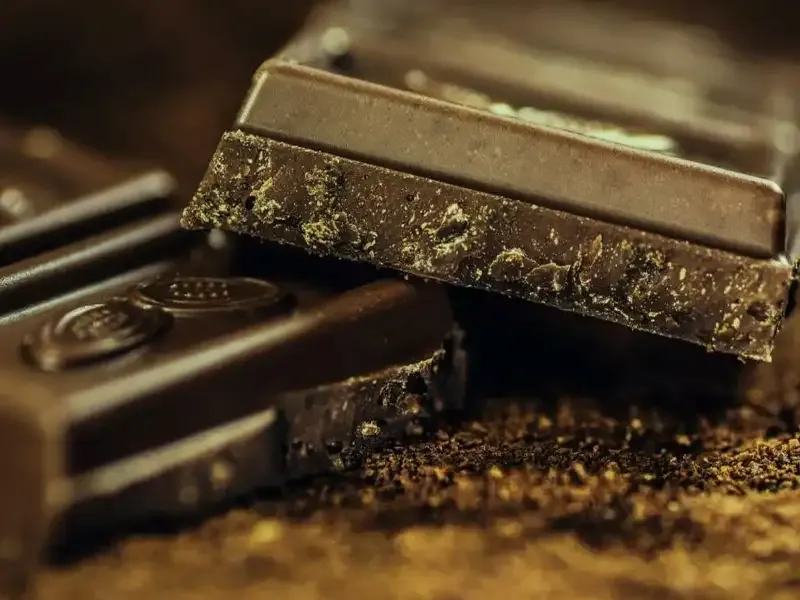
Chocolate, especially dark and baking chocolate, contains theobromine and caffeine. Both substances can be toxic to cats, leading to a rapid heartbeat, trembling, and in severe cases, even fatal poisoning.
© AlexanderStein – pixabay.com
2. Onions and Garlic
Both raw and cooked onions and garlic can be harmful to cats. They contain compounds that can destroy red blood cells, leading to anemia.
3. Alcohol
Alcohol affects a cat’s brain and liver similarly to how it affects humans. However, cats need only a very small amount to get poisoned. Symptoms can include vomiting, breathing difficulties, coma, and in the worst case, death.
4. Grapes and Raisins
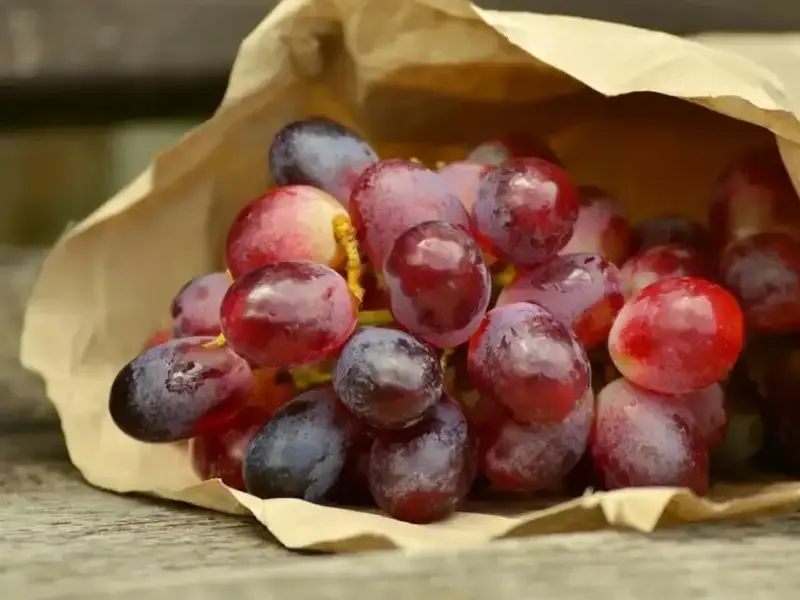
It’s somewhat puzzling, as the exact toxicological reason why these fruits are so harmful to cats is not fully understood. Still, studies and clinical observations have shown that consuming even a small amount can lead to severe health issues. 5. Symptoms of poisoning can range from vomiting and diarrhea to lethargy and depression. In the worst case, consumption can lead to acute kidney failure, a severe condition that can be fatal without timely veterinary treatment.
© congerdesign – pixabay.com
5. Bones and Raw Meat
Bones can cause internal injuries, and raw meat might be contaminated with bacteria like salmonella, leading to serious digestive issues.
6. Milk and Other Dairy Products
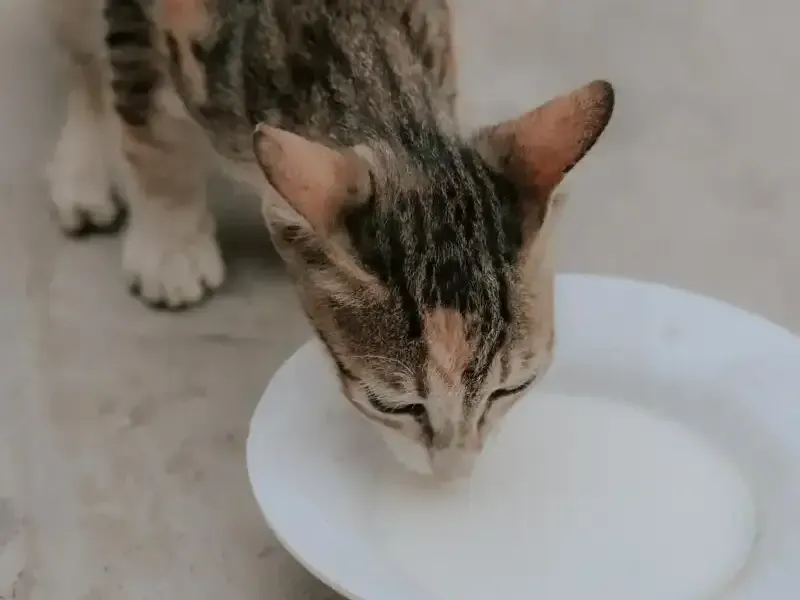
Many cats are lactose intolerant, meaning they can’t properly digest lactose. This can lead to diarrhea and other digestive problems.
© veeru edits – pexels.com
7. Raw Egg
Raw eggs can increase the risk of salmonella or E. coli poisoning. They also contain a protein called avidin, which inhibits the absorption of biotin (a B-vitamin), potentially leading to skin and coat problems.
8. Xylitol
This sugar substitute, found in many sugar-free foods and chewing gums, is highly toxic to dogs: it triggers a strong insulin release and dangerous hypoglycemia (low blood sugar) in them. In cats, the effect is less well researched and appears to be much weaker. Even so, keep products containing xylitol away from your cat’s bowl as a precaution.
Conclusion
It’s essential to emphasize that this list is not exhaustive. When in doubt, it’s always better to be safe and feed your cat food specifically made for them. If you suspect that your cat may have ingested something toxic, you should immediately see a veterinarian. Prompt action can be life-saving in such cases.
You can learn how to prepare a tasty meal for your cat in our article: “Delicious Creations: Making Cat Treats Easily at Home”
Frequently asked questions
Which foods are toxic to cats?
Dangerous foods include chocolate and caffeine, onions and garlic, alcohol, grapes and raisins and the sweetener xylitol. Raw meat, raw eggs and bones also carry risks, and milk causes digestive problems in many cats. The list isn’t complete, so if in doubt, only give your cat food that’s made specifically for cats.
What should I do if my cat has eaten something toxic?
Contact your vet or an emergency vet immediately, because acting fast can save your cat’s life. Don’t wait to see whether symptoms appear, and don’t try to make your cat vomit yourself. If possible, take the packaging or a remnant of the food with you so the practice can better judge what happened.
Can cats drink milk?
Many cats are lactose intolerant and can’t properly digest milk sugar. Milk and other dairy products can then easily cause diarrhea and other digestive problems. Fresh water is therefore the best drink for your cat, even though the image of a saucer of milk is so widespread.
Why are onions and garlic dangerous for cats?
Onions and garlic contain substances that can destroy cats’ red blood cells and lead to anemia. This applies to both raw and cooked onions and garlic. So also make sure that leftovers, sauces or stocks don’t contain any of them.


